Chapter 1
-
Defining terms helps to create a foundational model for these new digital realities that are emerging through technological breakthroughs. Each of these concepts are related. How do they work? What are some implications of their development and the future.
-
Virtual Reality (VR) is a simulated experience that can be similar to or completely different from the real world. It involves creating a three-dimensional, computer-generated environment that can be explored and interacted with by a person.
In VR, users are immersed in a virtual environment, often using a headset that covers their field of vision and sometimes includes motion-tracking controllers.
Basic Components of VR:
Head-Mounted Display (HMD): The primary device used to experience VR, providing stereoscopic 3D images and a wide field of view.
Controllers and Sensors: Devices that track hand movements and other physical actions, allowing interaction within the virtual environment.
Tracking Systems: Technologies that track the user's position and movements, enhancing the sense of presence in the virtual world.
History and Development of VR:
Early Concepts: Mention early VR concepts like the "Sensorama" (1950s) and Morton Heilig's vision of immersive cinema.
Significant Milestones:
1968: Ivan Sutherland and Bob Sproull developed the first head-mounted display system, "The Sword of Damocles."
1990s: The rise of commercial VR systems, though they were limited by the technology of the time.
2010s-Present: The resurgence of VR with more advanced and affordable technology, leading to mainstream adoption (e.g., Oculus Rift, HTC Vive, PlayStation VR).
Applications of VR:
Entertainment: VR gaming, virtual tourism, and immersive movies.
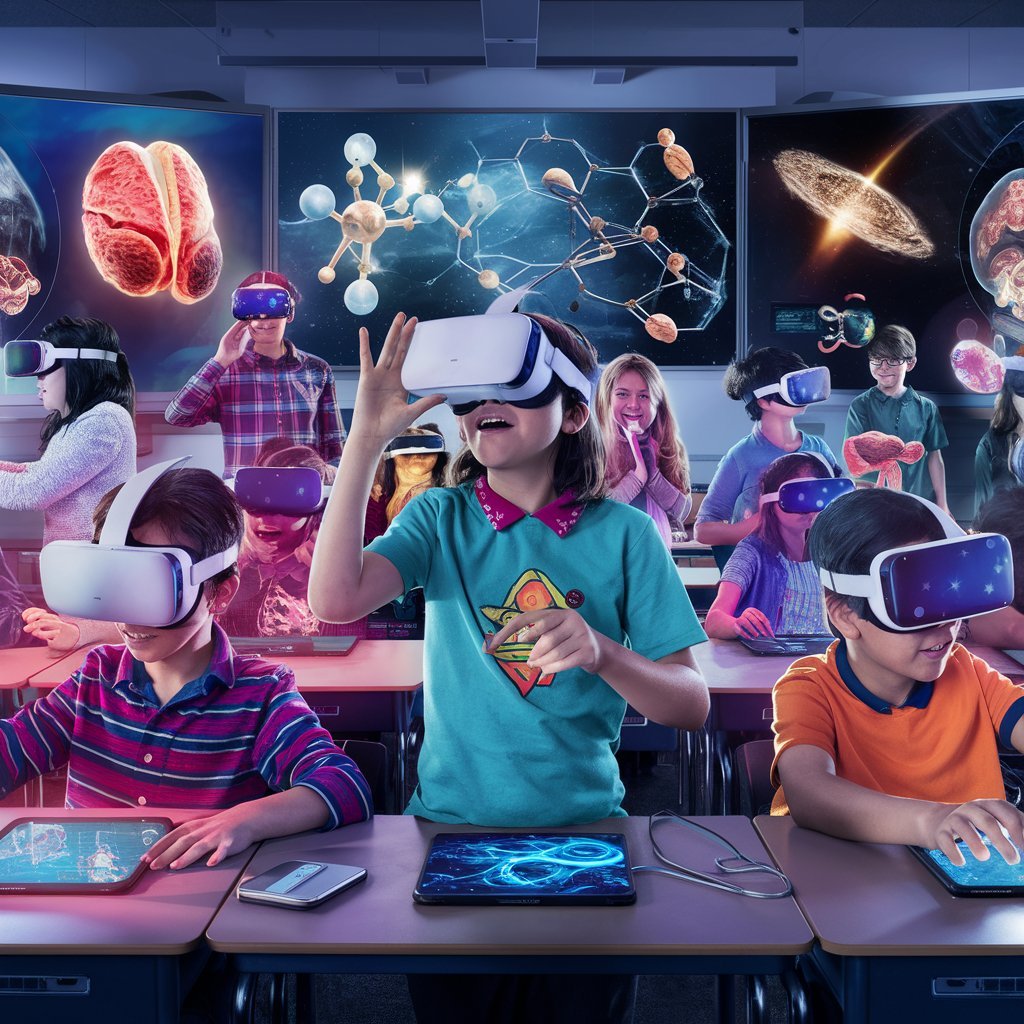
Education and Training: Virtual classrooms, medical training simulations, and pilot training.
Professional and Industrial Use: Architecture, automotive design, and virtual prototyping.
Key Concepts in VR:
Immersion: The feeling of being present in a virtual environment.
Interactivity: The ability of users to interact with the virtual environment and influence their experience.
Presence: The psychological state of "being there" in the virtual environment.
-
-
-
Add a short summary or a list of helpful resources here.